Digital payment technologies have become an important pathway to financial services for populations historically underserved by formal banking. In 2019, of 7.7 billion people globally, about 5.1 billion had access to a mobile phone while more than 1.7 billion adults remained unbanked.
WAEMU countries recorded a 10–30% increase in mobile money activity between 2014 and 2017, reaching some 6.9 million accounts and 351.6 million transactions annually, with an aggregate value of CFAF 3,933.4 billion — value transmitted through infrastructure not designed to secure financial transactions.
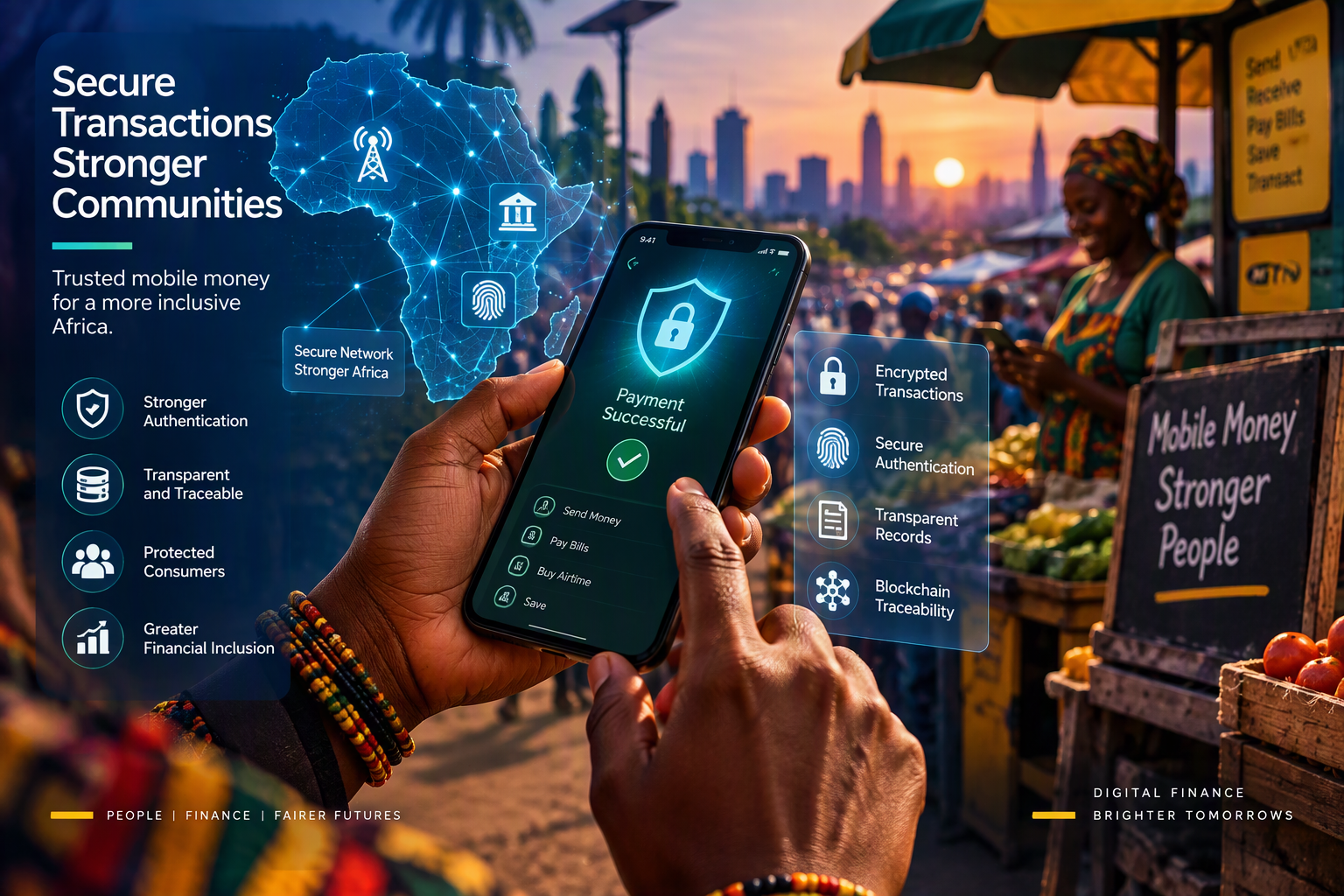
This brief examines what the evidence says about transaction security and fraud, covering both the controls that protect transactions and the traceability arrangements that determine who can audit and contest them.