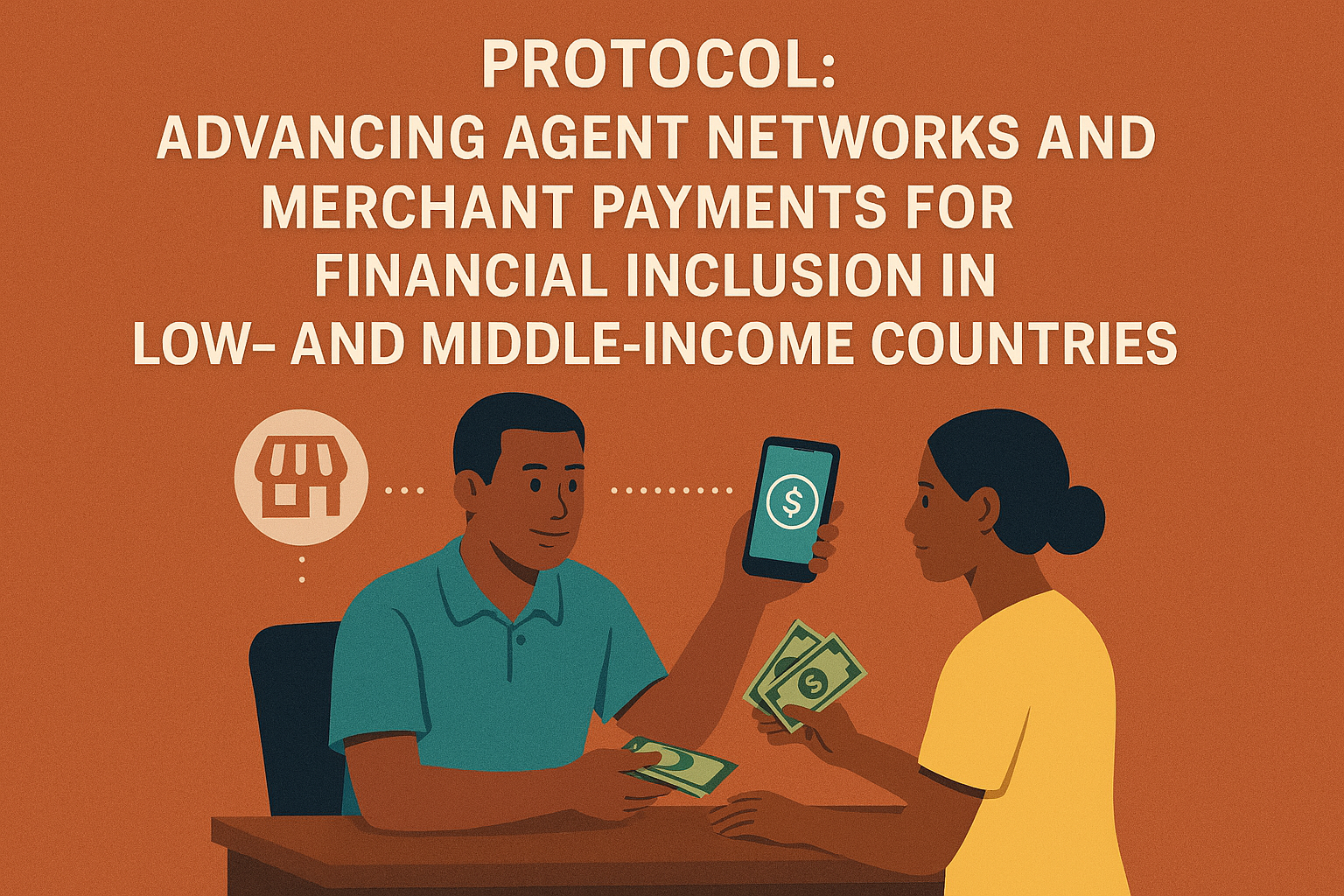
Digital financial services are the principal instrument through which low- and middle-income countries pursue financial inclusion, bringing hundreds of millions of people into contact with formal finance at a fraction of the cost of branch banking.
That achievement rests on an assumption easily overlooked: a person will only place money into a system they believe will give it back. For a first-time user on a thin income, one failed transaction, an unexplained fee or an unreachable complaints line is decisive evidence that the system is unsafe.
Consumer protection and risk management are the policy levers aimed most directly at that mechanism. This brief asks what the assembled evidence shows about the claim that they build confidence.