


The Ecosystem Mapping study was commissioned by the Mastercard Foundation to support its Young Africa Works Strategy. That strategy aims to help 30 million young Africans, 70% of them young women, find dignified and fulfilling work by 2030. The study covers 28 African countries and looks at three connected areas of youth exclusion: refugees and displaced persons, youth-led organisations, and disability inclusion. It goes beyond listing who is active in each space. It examines how these ecosystems work, how actors relate to one another, and what helps or holds back the inclusion of Africa's most marginalised young people.
The study mapped refugee and displacement ecosystems in 11 countries across the Sahel, the Horn of Africa and the Great Lakes. It mapped youth-led organisation ecosystems in seven countries, including Kenya, Nigeria, Ghana and Ethiopia. It also mapped disability inclusion ecosystems in 10 countries in Southern, Central and West Africa. The work was done in two phases. First, a structured desk review across all 28 countries identified and classified 1,092 organisations. Then 61 key informant interviews and five focus group discussions with ecosystem actors in 11 countries added first-hand perspectives. Each organisation was grouped by its role in the system: orchestrator, implementer, enabler, policy influencer or lived-experience organisation. Each country's ecosystem was also rated on a maturity scale.
The findings show that organisations led by refugees, young people and persons with disabilities are among the most trusted and closest to their communities. Yet they receive only a tiny share of development funding. Other barriers recur across all three areas: humanitarian and development funding kept in separate silos, a wide gap between policies on paper and how they are carried out, weak data systems, and compounded exclusion for young women. Uganda's refugee self-reliance model and Mauritius's disability inclusion framework stand out as regional examples. Sierra Leone and the conflict-affected Sahel are the hardest contexts.
The study recommends that the Foundation provide long-term core funding to community-led organisations and tailor its investments to each country's ecosystem maturity. It should also act as a co-investor alongside the large humanitarian, development and private funding flows already in place. Further priorities are scaling digital and assistive-technology solutions, strengthening regional advocacy, putting gender and intersectionality at the centre of programme design, and building a shared, locally owned evidence base.
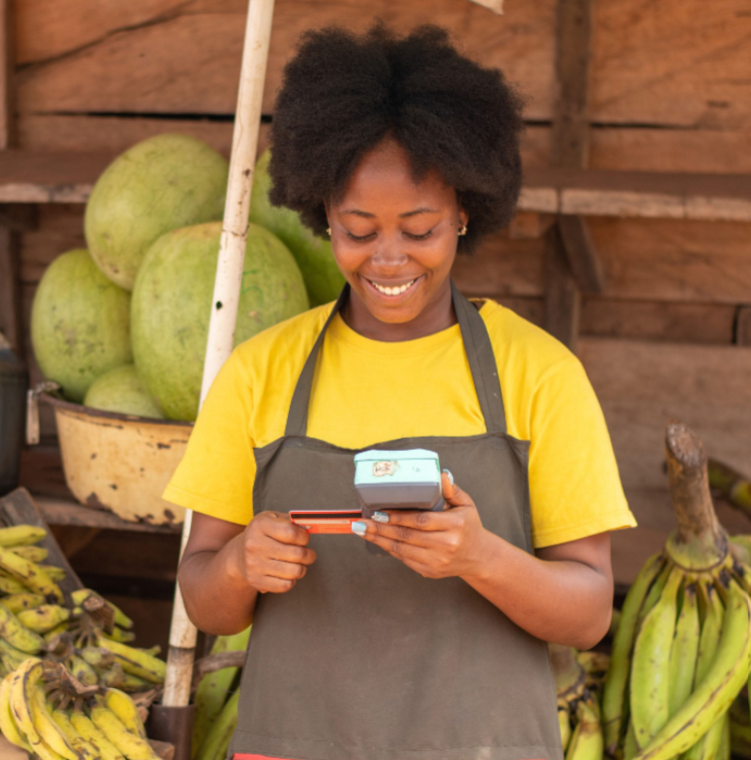
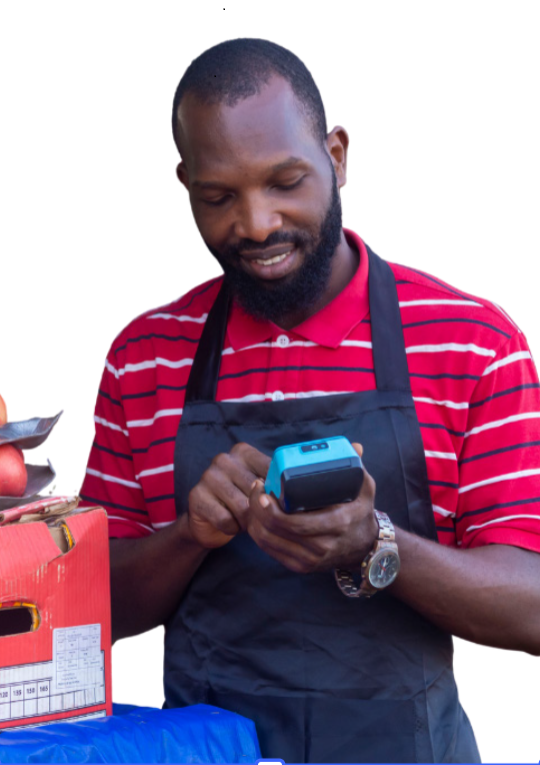
Agent networks and mobile money are transforming financial inclusion for underserved communities. As LMICs shift toward cash-lite economies, digital payments across retail, health, education, and utilities are becoming a priority for policymakers and businesses.


The study mapped refugee and displacement ecosystems in 11 countries across the Sahel, the Horn of Africa and the Great Lakes. It mapped youth-led organisation ecosystems in seven countries, including Kenya, Nigeria, Ghana and Ethiopia. It also mapped disability inclusion ecosystems in 10 countries in Southern, Central and West Africa. The work was done in two phases. First, a structured desk review across all 28 countries identified and classified 1,092 organisations. Then 61 key informant interviews and five focus group discussions with ecosystem actors in 11 countries added first-hand perspectives. Each organisation was grouped by its role in the system: orchestrator, implementer, enabler, policy influencer or lived-experience organisation. Each country's ecosystem was also rated on a maturity scale.
The findings show that organisations led by refugees, young people and persons with disabilities are among the most trusted and closest to their communities. Yet they receive only a tiny share of development funding. Other barriers recur across all three areas: humanitarian and development funding kept in separate silos, a wide gap between policies on paper and how they are carried out, weak data systems, and compounded exclusion for young women. Uganda's refugee self-reliance model and Mauritius's disability inclusion framework stand out as regional examples. Sierra Leone and the conflict-affected Sahel are the hardest contexts.
The study recommends that the Foundation provide long-term core funding to community-led organisations and tailor its investments to each country's ecosystem maturity. It should also act as a co-investor alongside the large humanitarian, development and private funding flows already in place. Further priorities are scaling digital and assistive-technology solutions, strengthening regional advocacy, putting gender and intersectionality at the centre of programme design, and building a shared, locally owned evidence base.

The study mapped refugee and displacement ecosystems in 11 countries across the Sahel, the Horn of Africa and the Great Lakes. It mapped youth-led organisation ecosystems in seven countries, including Kenya, Nigeria, Ghana and Ethiopia. It also mapped disability inclusion ecosystems in 10 countries in Southern, Central and West Africa. The work was done in two phases. First, a structured desk review across all 28 countries identified and classified 1,092 organisations. Then 61 key informant interviews and five focus group discussions with ecosystem actors in 11 countries added first-hand perspectives. Each organisation was grouped by its role in the system: orchestrator, implementer, enabler, policy influencer or lived-experience organisation. Each country's ecosystem was also rated on a maturity scale.
The findings show that organisations led by refugees, young people and persons with disabilities are among the most trusted and closest to their communities. Yet they receive only a tiny share of development funding. Other barriers recur across all three areas: humanitarian and development funding kept in separate silos, a wide gap between policies on paper and how they are carried out, weak data systems, and compounded exclusion for young women. Uganda's refugee self-reliance model and Mauritius's disability inclusion framework stand out as regional examples. Sierra Leone and the conflict-affected Sahel are the hardest contexts.
The study recommends that the Foundation provide long-term core funding to community-led organisations and tailor its investments to each country's ecosystem maturity. It should also act as a co-investor alongside the large humanitarian, development and private funding flows already in place. Further priorities are scaling digital and assistive-technology solutions, strengthening regional advocacy, putting gender and intersectionality at the centre of programme design, and building a shared, locally owned evidence base.






.png)


