Educational Landscape and Ecosystem Analysis in Africa

Background

Africa is undergoing a significant demographic transition, with its working-age population expected to reach 1.56 billion by 2050 and youth surpassing 83 0million. This creates a critical opportunity for policy action: education and labor systems must evolve beyond mere access to focus on delivering quality, relevant skills, and pathways to productive employment. However, many young people still find themselves in informal, low-productivity jobs. This land scape analysis reviews trends across Africa (2015–2026) in education, skills, and youth employment, featuring insights from Young Africa Works priority countries. Its goal is to establish a baseline and highlight gaps that can guide strategies aimed at expanding equitable access to dignified and fulfilling work for young people.

Delivery model

The systematic evidence mapping was created using the Evidence and Gap Map (EGM)framework. The EGM will:


  • Offer a clear visual representation of existing studies on educational reforms and the skills ecosystem related to youth transitions into employment, entrepreneurship, and further learning.
  • Organize evidence by interventions, outcomes, geography, methods, and target populations.
  • Incorporate both peer-reviewed and grey literature.

GMEI Sub-Programs

To effectivelytranslate these objectives into actionable initiatives, five sub-programs wereestablished, including:

Reforestation Initiative

Aim: This program aims to plant 10 million trees by December 2025
GMEI Role: Provide training on nursery management to individuals, schools, and community groups; and provide tree seedlings.

Agroforestry Initiative

Goal: Demonstrate and train farmers in the landscape approach
Activities: Conduct research on optimal intercropping, promote cultivation of fruit trees, and introduce apiculture.

Agribusiness Initiative

Goal: To enhance economic opportunities for community members
Action Plan: Active engagement of women and youth groups and securing stable market access for fruit farmers.

Water & Sanitation Initiative

Emerging Need: To rehabilitate existing dams, tanks, and boreholes
Activities: Water mapping to have records on aquifers at Mua Hills, use the records to lobby for support for rehabilitation.

Clean Energy Initiative

Goal: Advancing climate action (SDG 13) by regulating emissions and promoting renewable energy
Activities: Training and demonstration of alternative clean cooking technologies.

Partners

Arise Health logoThe Paak logoOE logo

Projects

No items found.

Principal Investigators

No items found.

Research Mentors

No items found.

Stories

Advisory Board

The Global MLE Consortium

This MLE project has been activated through a global consortium of partners. The consortium of partners spread through five geographical regions of world (i.e., Southeast Asia, Europe, South and East Africa, and West Africa) where the foundation has relevant targeted initiatives with each partner focusing on activities of the project within the geography where the partner is located and has lived experience
Sankofa Consulting, a Seattle-based MLE organization with rich history with BMGF, will coordinate the consortium of partners
The International Centre for Evaluation and Development (ICED) is the main research partner for East and Sub-Saharan Africa
Sambodhi is the main research partner for South Asia. It is based in Uttar Pradesh, with other offices in Phnom Penh and Dar-es-Salaam
Haskè Conseil is the main research partner for West/Francophone Africa. The company is based in Senegal.

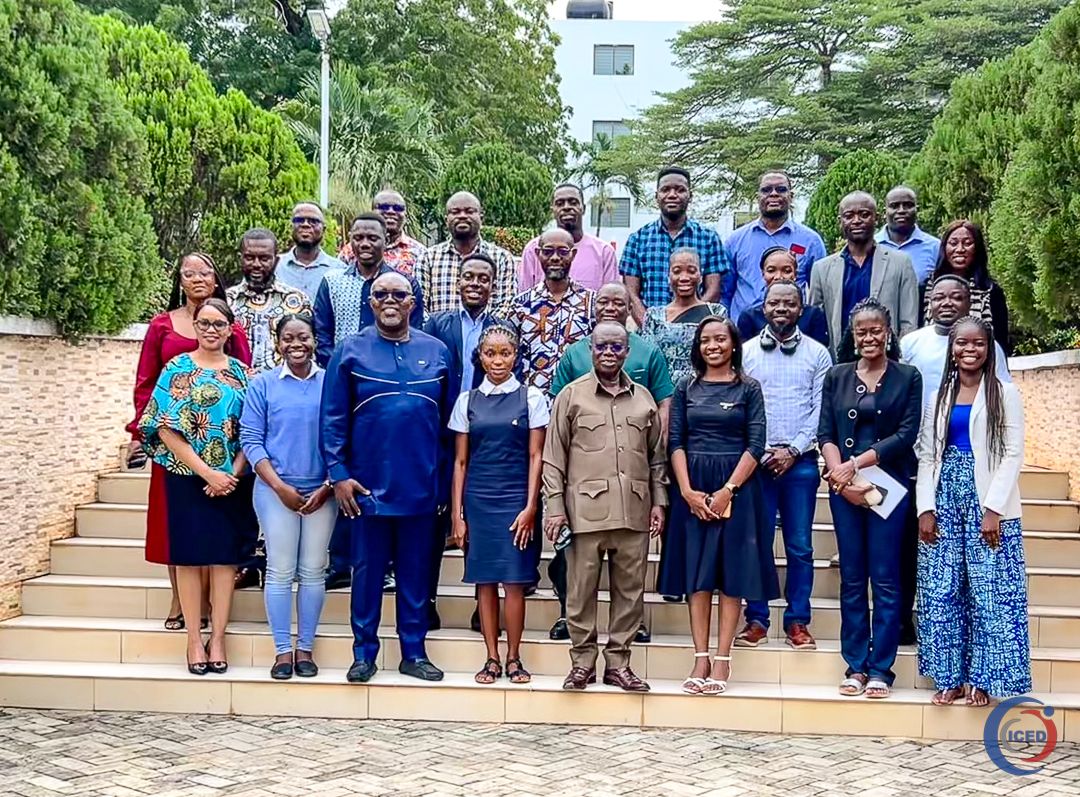
The ICED Team

About the Feed the Future Innovation Lab for Horticulture

The Feed the Future Innovation Horticulture at UC Davis works with and promotes local leadership to advance horticulture and social innovations, empowering small-scale producers to earn more income while better nourishing their communities. Learn More.

Other Programs