

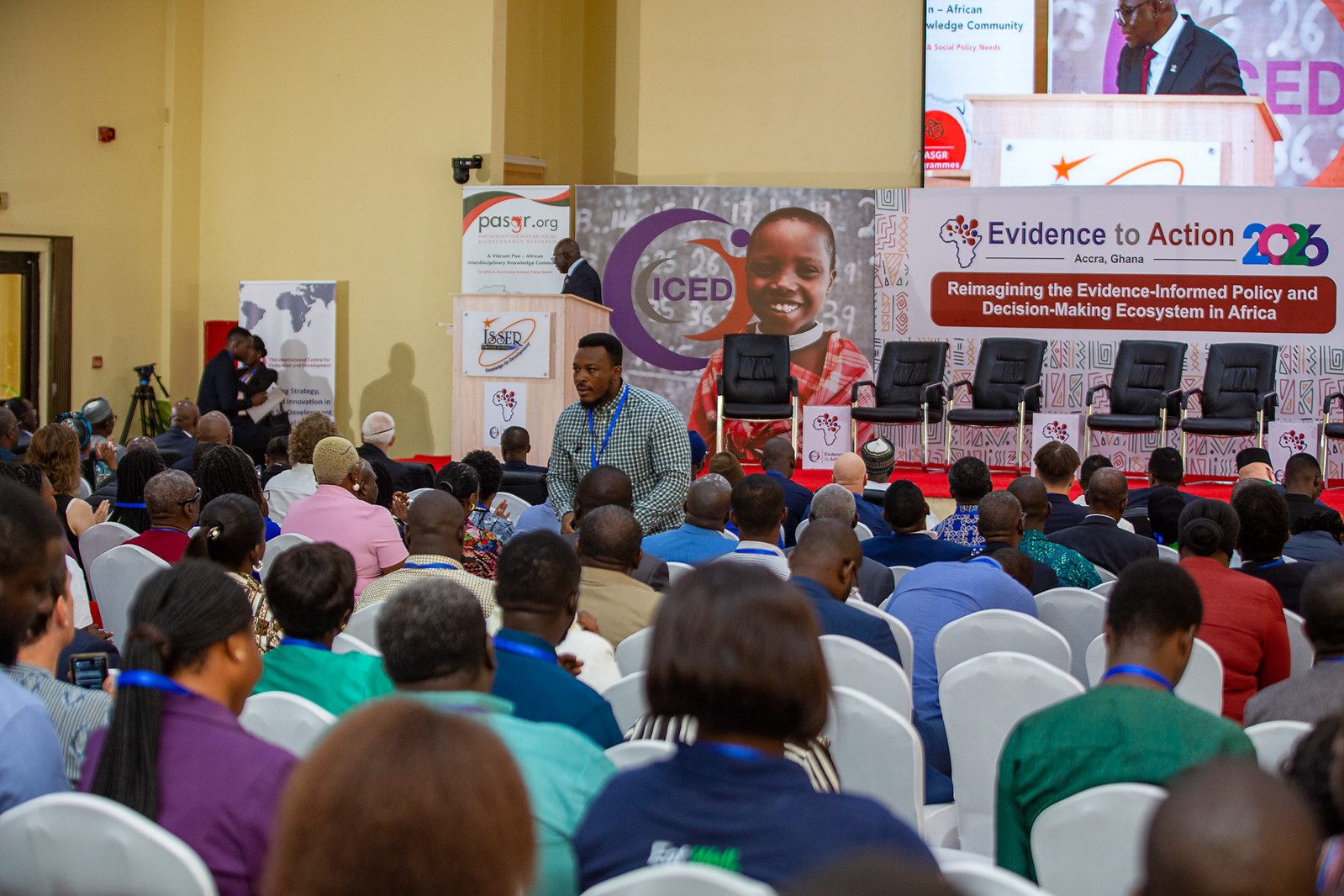
Before the main conference opened, ten side events were held on 22–23 June 2026 at the ISSER Conference Centre, University of Ghana, Legon. Organised by ICED and its partner institutions, these events served as a structured on-ramp to the main Evidence to Action Conference surfacing honest lessons, uncomfortable gaps, and Africa-led innovations that then shaped the agenda of the three-day main event.
"Africa doesn't lack data. It lacks systems that let its own institutions hold, govern, and act on that data at speed. That is the work in front of us."
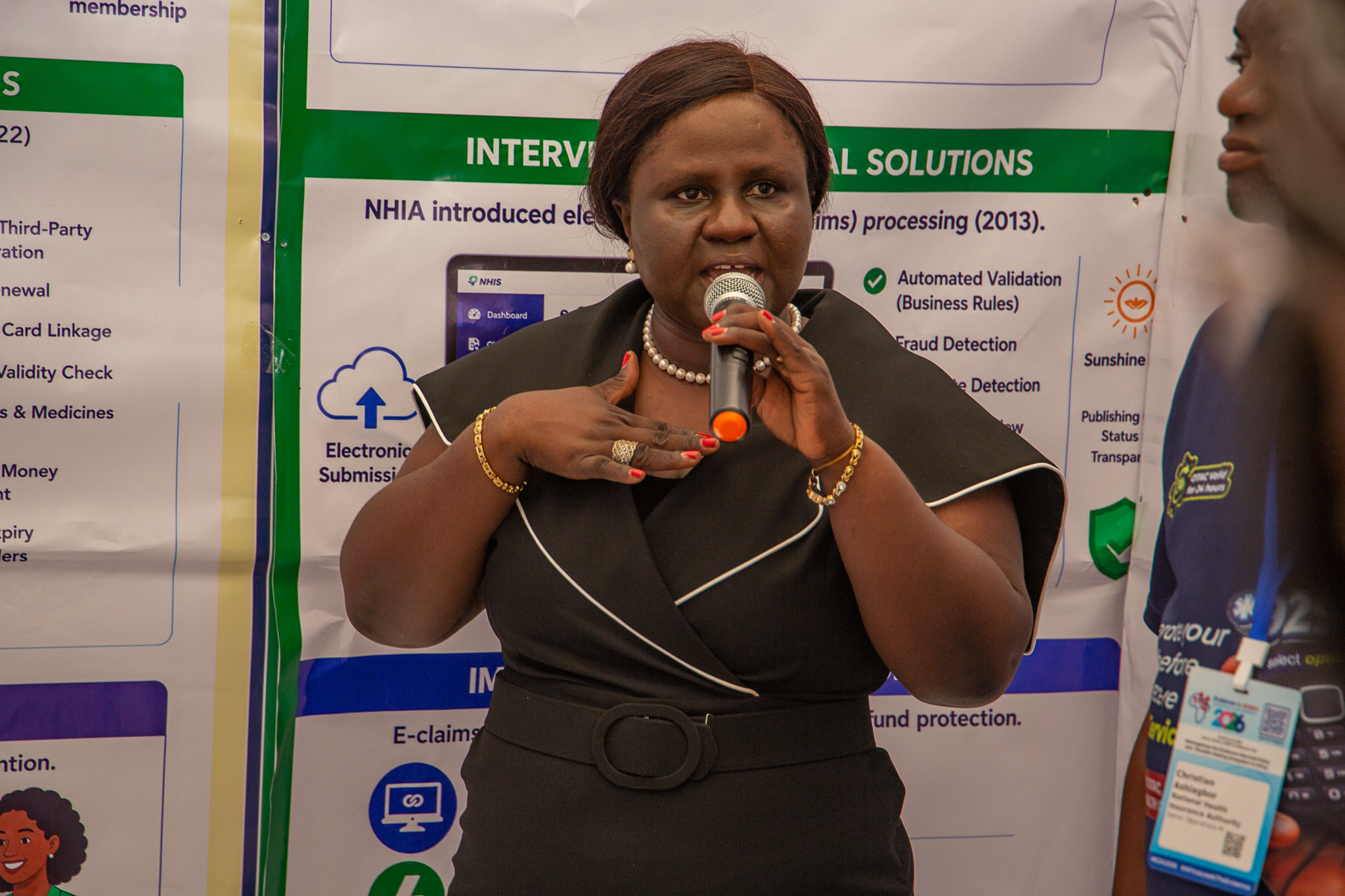
A specialized session uniting ICED and Francophone partners to advance evidence-informed policy frameworks, regional collaboration, and capacity building across West and Central Africa.
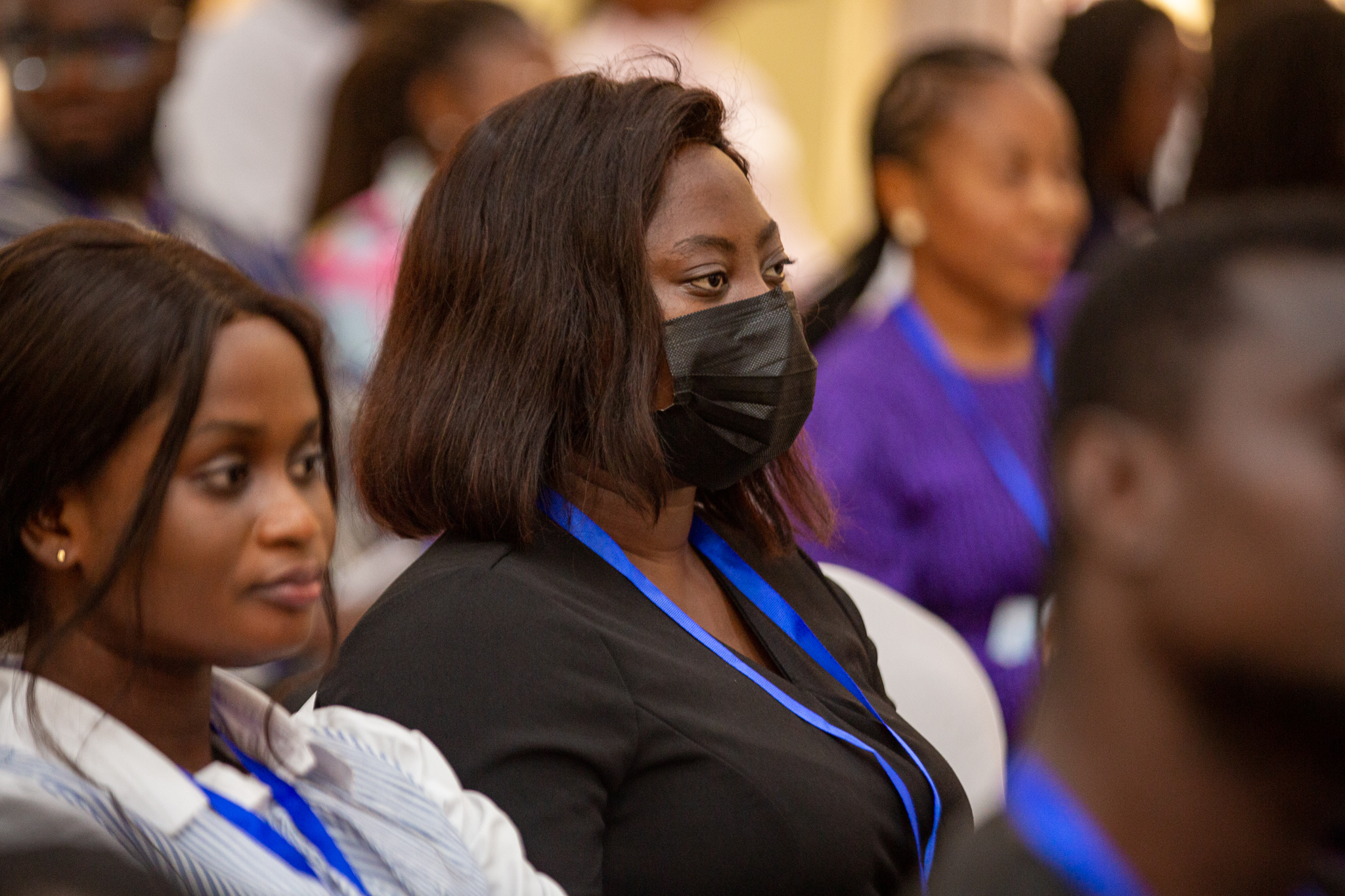
Presented findings and methodology from ICED's Climate Change Adaptation Evidence Gap Map (EGM) project, demonstrating how EGMs identify where evidence exists, where it is missing, and how policymakers can use this to prioritise investment and research.
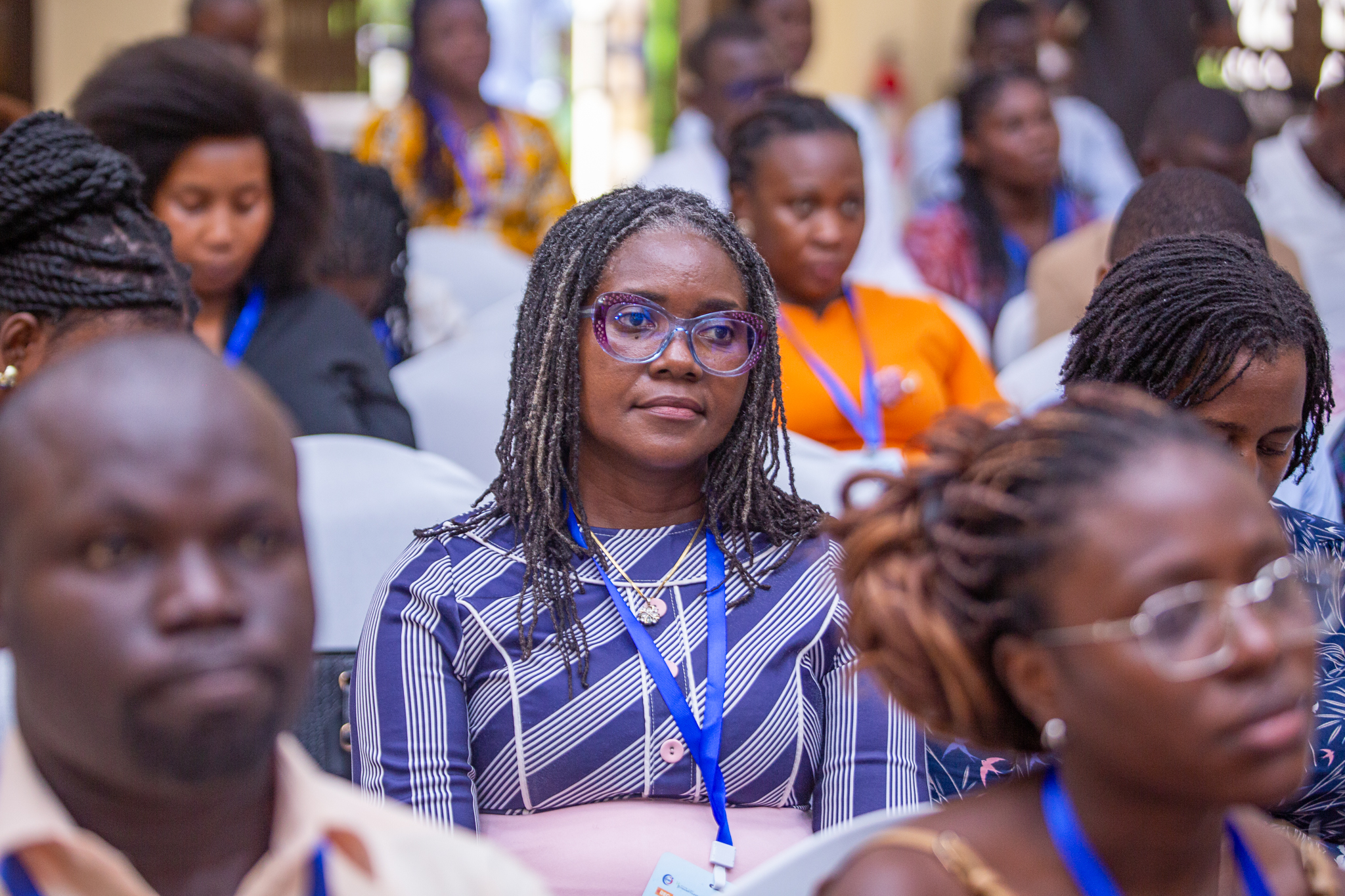
Drew on six years of field work across multiple African countries to demonstrate what works when communities use evidence to hold water governance institutions accountable. Explored how community-generated documentation of water access conditions has been used strategically during election periods and policy reviews to drive government action.
Presented preliminary findings from political economy analyses on how young women and men across Africa navigate labour markets and access dignified work. Programme countries: Nigeria, Ghana, Senegal, Ethiopia, Rwanda, Uganda, Kenya, Benin, Togo, and Cote d'Ivoire — with deliberate focus on rural youth, refugees, persons with disabilities, and youth in informal work.

A high-level session convening regional impact evaluation practitioners to review strategic priorities for development measurement, capacity building, and evidence ecosystems across Africa.
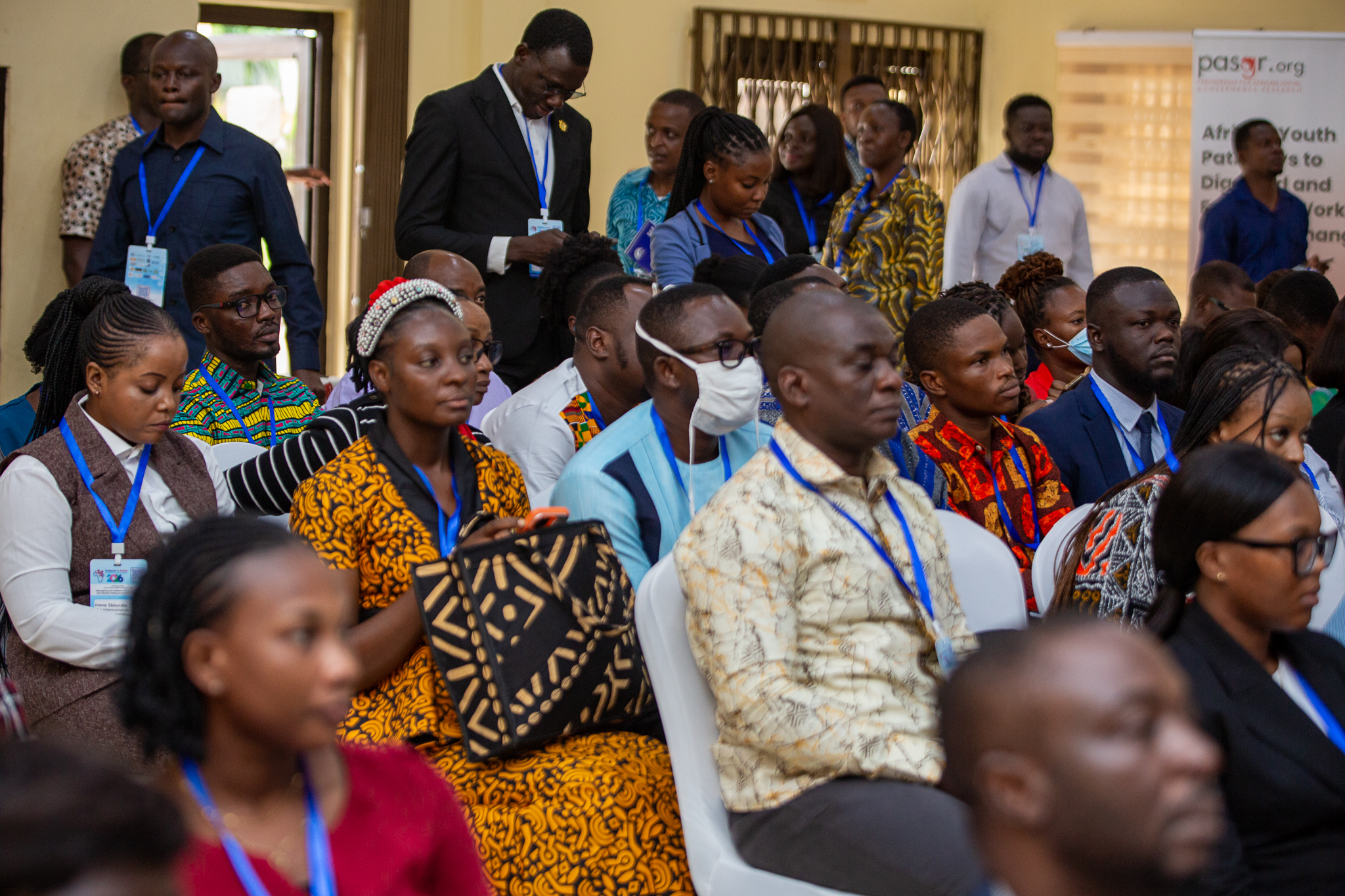
Three interconnected thematic sessions covering: how policy culture shapes evidence use; social safeguards in urban governance and city transformation; and youth employment creation in agriculture and agro-processing. Drew on PASGR's Utafiti Sera model, operating across Urban Governance, Universal Health Coverage, Food Systems, and Youth Employment for over a decade.

Explored how AI tools can accelerate evidence synthesis for public policy. Demonstrated practical applications of AI in processing research, generating summaries, and supporting faster policy-relevant outputs. Raised questions about governance, bias, and African ownership of AI systems used in evidence work.
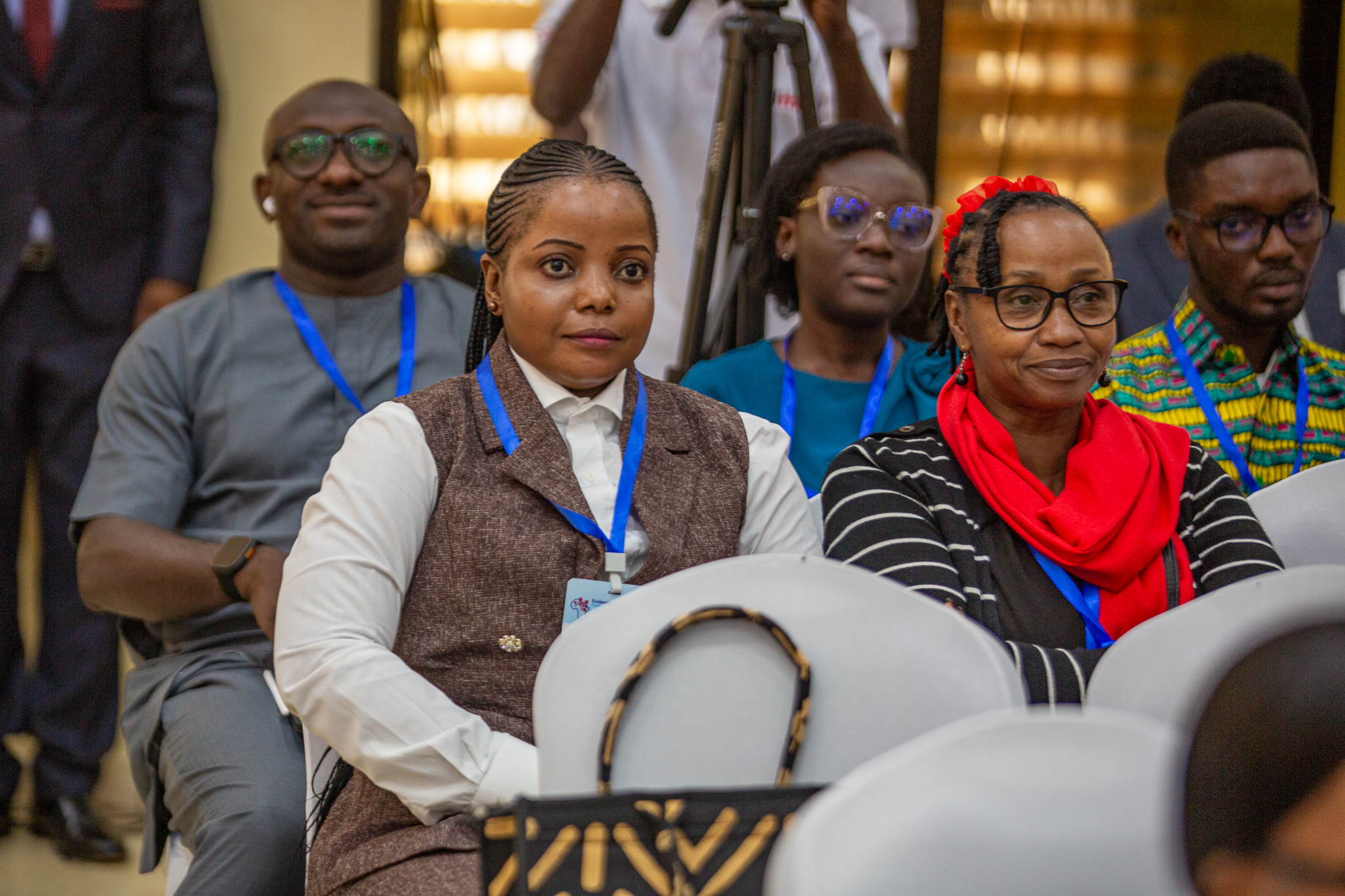
Official launch of two Oxfam publications — the Fair Tax Monitor and a report on the Political Economy of Illicit Financial Flows — presenting evidence on how tax systems and illicit financial flows shape inequality and fiscal space in Africa.
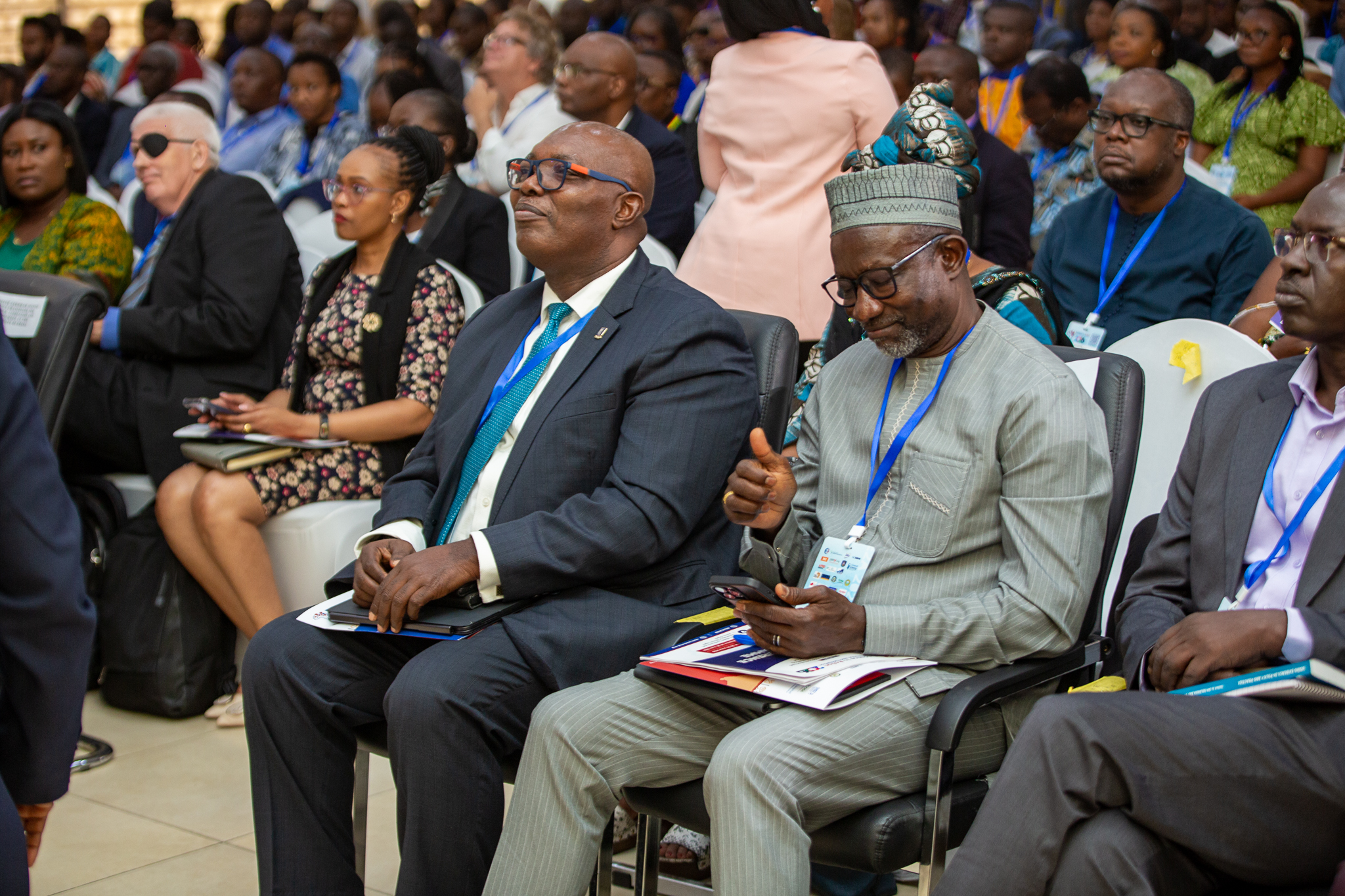
A consultative working session to review and refine the Ghana Evaluation Map — a tool developed by ICED in collaboration with the Government of Ghana to document and track evaluation activity across the country. Part of ICED's collaboration with Ghana's Ministry of Local Government, Chieftaincy and Religious Affairs.

An honest, cross-sector reflection on what it actually costs in time, resources, and institutional effort to move from producing evidence to achieving policy change. Explored tensions between growth, quality, and sustainability in Africa's evidence sector.