


We live in a world where research and evidence are being generated at an extraordinary pace. Yet, having evidence available does not necessarily mean it is accessible, understood or used to inform decisions. This is one of the reasons I am passionate about artificial intelligence (AI). Beyond its ability to automate tasks, I see tremendous potential for AI to help us navigate complex information, connectknowledge and make credible evidence more accessible to those who need it.
At the International Centre for Evaluation and Development (ICED), I am excited to be contributing to the development of our newly launched ICED Evidence Hub, a platform designed to bring research, evidence synthesis and knowledge translation closer to decision-making. Through the Hub we aim to make it easier to navigate research and generate insights that cansupport informed decisions.
But as we explore these opportunities, an equally important question emerges: How do we ensure that AI makes evidence moreuseful without compromising its credibility?
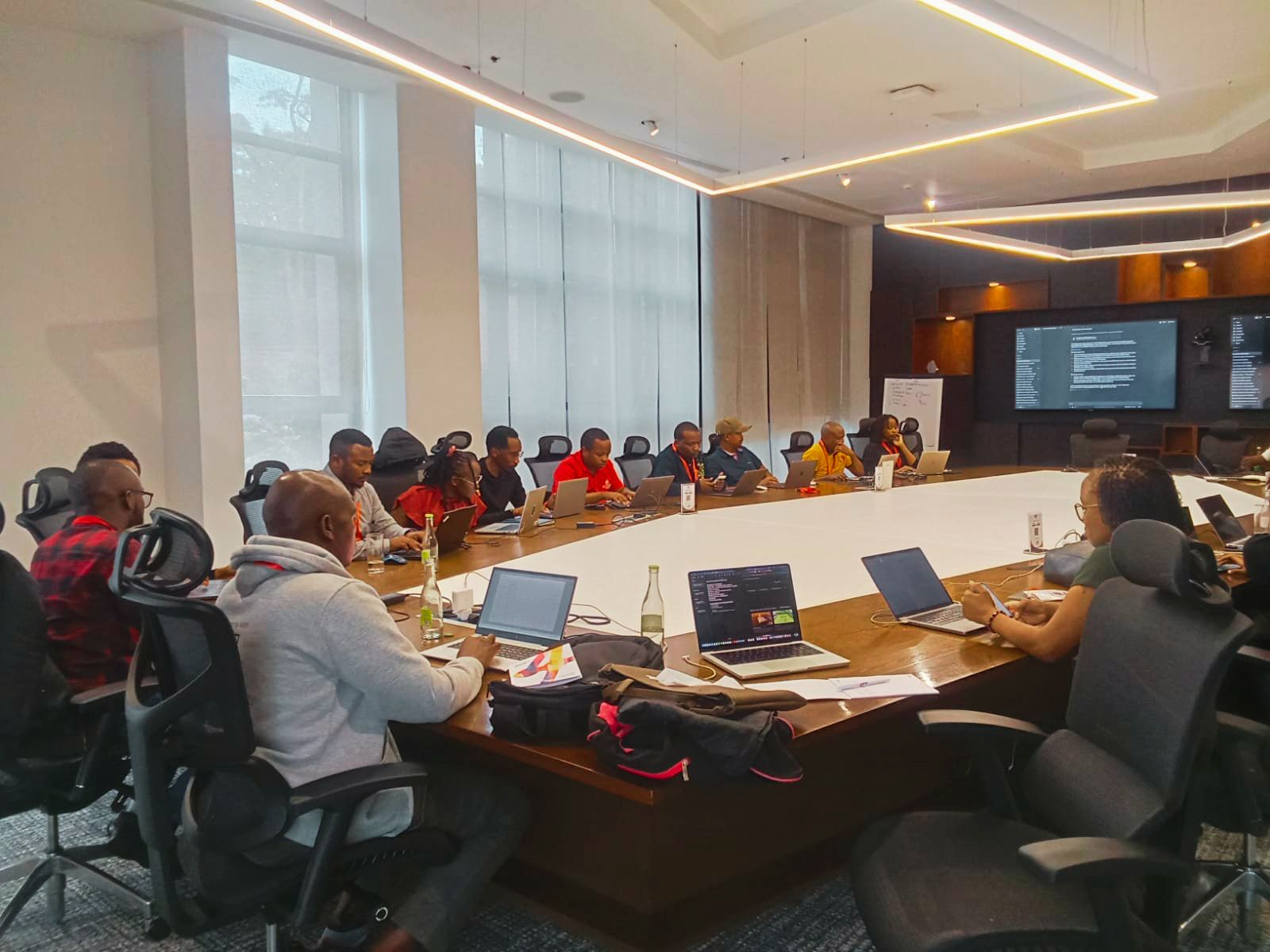
This question was central to discussions at ATLAS2.0 – Africa Tech Law and AI Symposium, held on 24 October 2026 in Nairobi. I attended the event alongside my colleague, Paul Omboi, ICED's Senior ICT,Data and AI Specialist.
Organized by ALN Academy under the theme “AgenticAfrica: Law, Trust and Skills for the Cloud, Creative and Circular Economy,”the symposium brought together legal professionals, technologists, policymakersand innovators to examine the opportunities and governance challenges ofemerging AI technologies.
One particularly interesting discussion focused on agenticAI: systems that can go beyond generating responses to taking actions, suchas initiating processes, making bookings or carrying out tasks with varyinglevels of autonomy. This development raises important questions. Who is accountable when an AI system makes a mistake? How is sensitive information protected? At what point should a human review or approve an AI-generatedrecommendation or action?
"As AI becomes more capable, our responsibilityto govern it effectively becomes even more important. We need to think aboutdata protection, accountability and human oversight from the design stage,rather than treating them as considerations after deployment."
These conversations resonate strongly with the work weare undertaking at ICED. Evidence and Gap Maps (EGMs), for example, help organize existing research around specific interventions and outcomes, making it possible to see where evidence is available and where important gaps remain. However, navigating extensive collections of studies and translating findings into practical insights can still require considerable time and technical expertise.
Our vision for the Evidence Hub is to help address this challenge. By bringing together credible research, evidence synthesis and AI-assisted tools, we are exploring how technology can make evidence discovery and interpretation more accessible while maintaining the integrity of the underlying research.
The future of AI in evidence is not simply about generating faster answers. It is about helping people ask better questions, find credible knowledge and make more informed decisions.


